· Bible and history
We like to picture the disciples as gentle, peace-loving preachers. But step back into first-century Galilee and the picture becomes more complicated. Among the Twelve was a man Luke calls “Simon the Zealot” (Luke 6:15). What did that name mean, and what kind of man had Jesus called?
A world under pressure
Roman power shaped the world in which Jesus ministered. Taxation, political control and questions of religious loyalty created tensions. Jewish communities responded in different ways; the Pharisees, Sadducees and other groups cannot be reduced to a single political position.
In AD 6, Judas the Galilean opposed the census and taxation associated with Quirinius. Josephus describes a movement insisting that God alone was their ruler. Resistance to Roman authority could therefore become a matter of religious conviction, as well as politics (Josephus, Antiquities 18.1.1, 18.1.6).
What can we really say about Simon?
Simon’s title has often been understood as evidence of nationalist sympathies. Yet it does not establish membership of the organised Zealot faction known from the later Jewish war. The title can also convey religious zeal, and the Gospels give us very little information about his earlier life.
Scripture does not tell us that Simon carried a dagger, committed violence or belonged to the Sicarii. We must leave those claims where they belong: among possibilities and imaginative reconstructions, rather than established facts. The NET Bible’s note on Luke 6:15 also distinguishes nationalist zeal from certain membership of an organised party.
Different backgrounds, one calling
Matthew, by contrast, was called from a tax booth (Matthew 9:9), and Matthew 10:3 identifies him as a tax collector among the Twelve. Tax collection placed him within the revenue system of the ruling authorities. The Bible does not tell us that he became rich through that work.
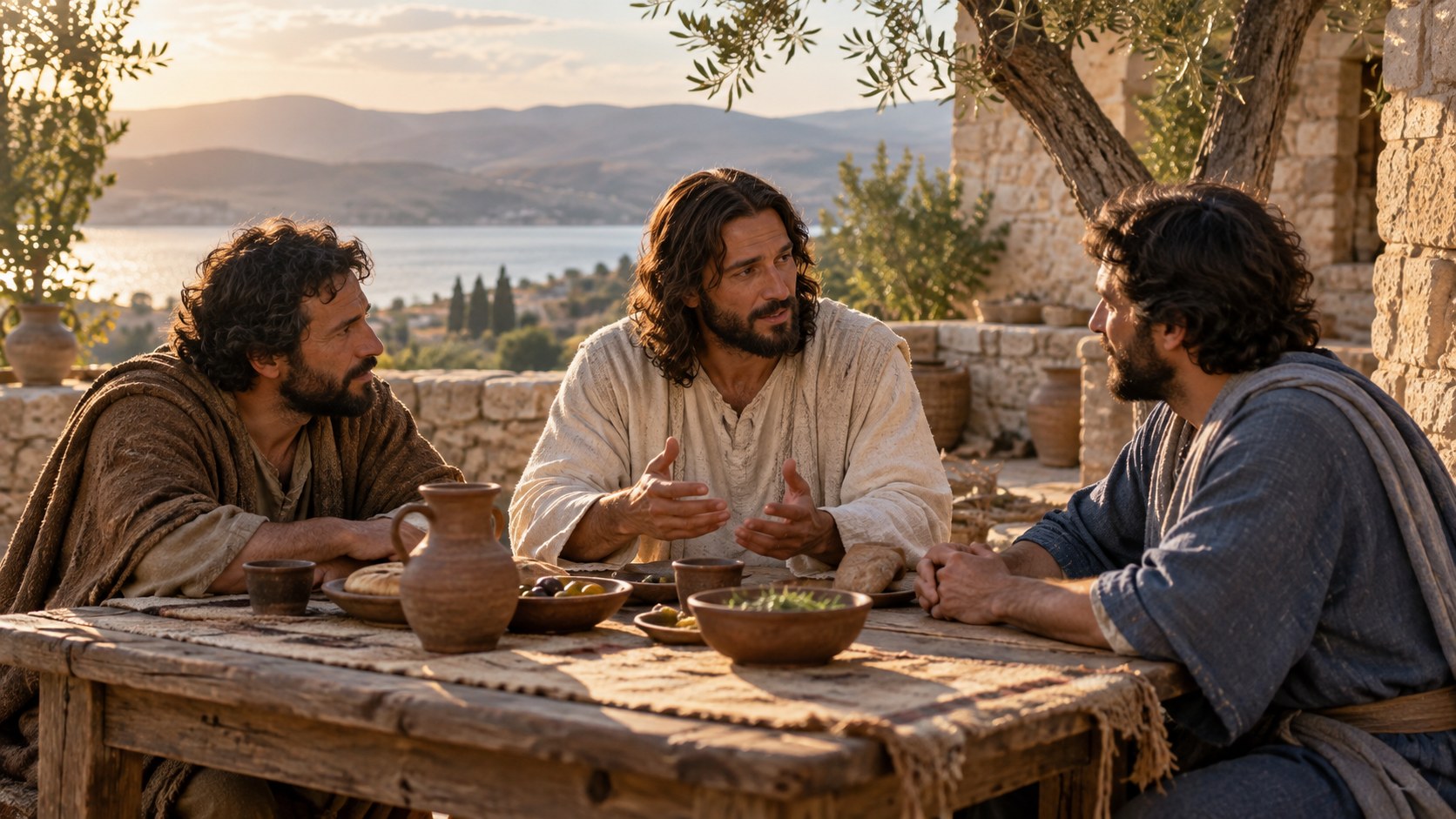
If Simon’s title reflects opposition to Roman rule, the contrast is striking: Jesus brought together men whose former loyalties could have placed them on opposite sides. The Gospels do not record a quarrel between Simon and Matthew or a particular shared meal. Their presence within the same circle is enough to invite reflection.
Christ’s calling reaches across the divisions we inherit. Following Him means allowing His teaching to reshape how we see people whose stories, convictions or past choices differ from our own.
When resistance became assassination
Decades after Jesus’ earthly ministry, Josephus describes the Sicarii operating in Jerusalem during the governorship of Felix in the AD 50s. They concealed short daggers beneath their clothing, attacked people in crowded gatherings and escaped detection amid the confusion (Jewish War 2.13.3). These later assassins should not simply be identified with Simon.
The revolt against Rome began in AD 66. Jerusalem and its Temple were destroyed in AD 70. Masada, occupied by Sicarii rebels, became one of the final strongholds. Josephus reports that its defenders killed their families and one another, with the last man taking his own life, rather than facing capture (Jewish War 7.8–9). His account should be identified as his testimony, not treated as independently verified detail.
The things that make for peace
Before Jerusalem’s destruction, Jesus approached the city and wept over it (Luke 19:41–44). His lament concerned its failure to recognise the things that make for peace. He saw suffering ahead and grieved.
For us, this becomes a searching spiritual question: can our zeal for what we believe is right become so hardened that we stop hearing Christ? Conviction needs humility. Courage needs mercy. Devotion needs a heart willing to be corrected.
The peace the sword could never give, Jesus had already named. His invitation still calls us to bring our anger, loyalties and wounded histories under His lordship.
Pause and reflect
Who do you find difficult to welcome because of their background or opinions? What would obedience to Jesus look like in your next conversation with them?
Prayer
Lord Jesus, search my heart. Give me zeal guided by truth, courage shaped by love and the humility to receive Your correction. Help me recognise the things that make for peace and honour the people You have called alongside me. Amen.
Scripture and historical sources
- Luke 6:15; Matthew 9:9; Matthew 10:2–4; Luke 19:41–44.
- NET Bible: Luke 6:15 and translator’s note.
- Josephus, Antiquities, Book 18, chapter 1.
- Josephus, Jewish War, Book 2, chapter 13.
- Josephus, Jewish War, Book 7, chapters 8–9.